A lookup of well-known U.S. short codes
A short code carries no name of its own. The quickest way to learn who runs one is to ask the code itself, then check the answer against the sender's own website.
4 min read
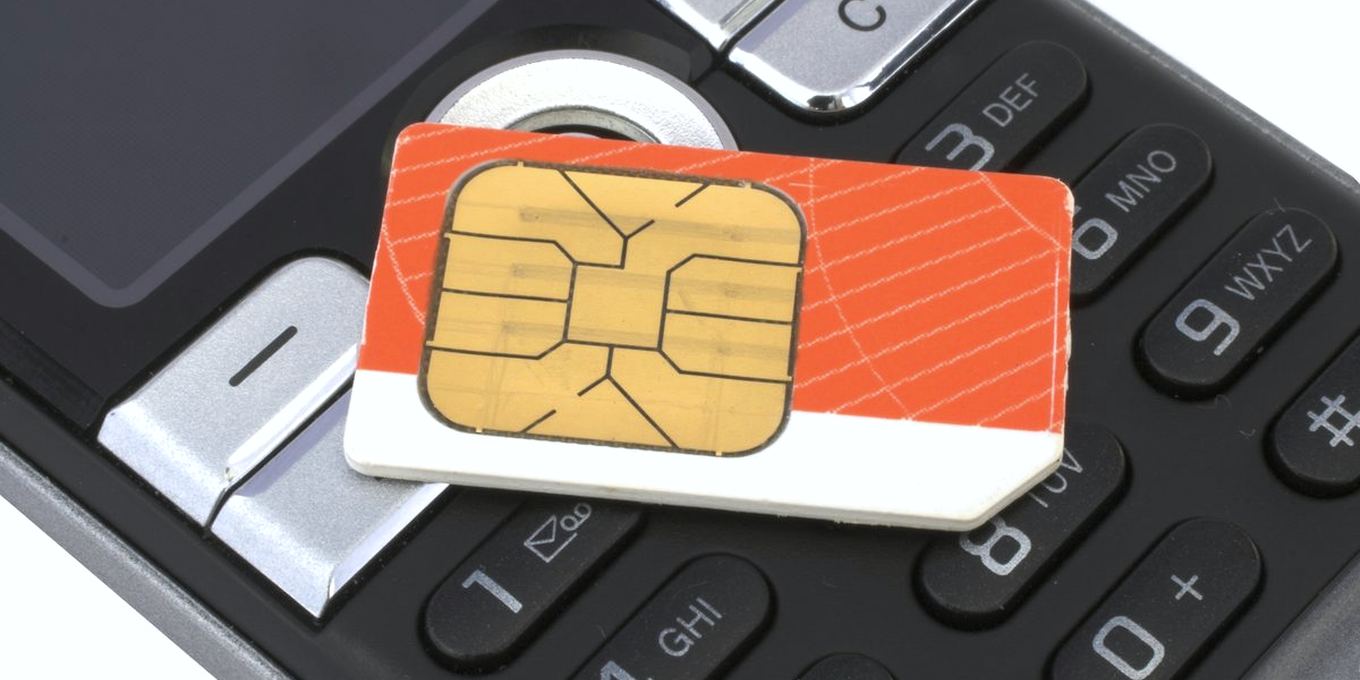
A text from a five- or six-digit number comes from a short code. In the United States each of those numbers is leased to a company or organization through the Short Code Registry, which CTIA, the wireless industry association, oversees on behalf of the carriers. The lease is a business contract between the registry and the lessee, and the person who receives the texts never sees it. What a recipient does see is the number, the message and whatever the sender says about itself. Identifying the owner therefore comes down to asking the code and then checking its answer somewhere the sender cannot fake.
How to identify the sender of a short code
Text HELP
Carriers audit short code programs against CTIA’s Short Code Monitoring Handbook, and the handbook requires every program to answer the keyword HELP with at least the program’s name and a way to reach customer care, whether or not the person asking is subscribed. Sending HELP does not sign anyone up for anything, although ordinary message rates can apply. A code that stays silent after HELP has either been retired or is running outside the rules the carriers enforce.
Read the message itself
The same handbook expects program names to match between the advertisement and the messages, so a legitimate program’s messages normally carry the same name its advertising did. A text that never says who sent it is already a warning sign.
Look for the code on the owner’s own website
Large senders publish their codes in help centers and in their text-messaging terms, largely because customers ask exactly this question. A code listed on the brand’s own site is reliable. A code that turns up only on a forum or in a list copied from elsewhere is a lead worth checking and nothing more. Every row in the table below comes from the first kind of source.
Report what stays unexplained
A code that keeps texting, ignores STOP or gives no useful HELP reply can be reported by forwarding the message to 7726, which spells SPAM on a phone keypad. U.S. carriers collect spam reports at that number, and Verizon’s support pages describe the steps: forward the text, reply with the sender’s number when prompted, and wait for a free confirmation.
Well-known codes and the organizations behind them
The codes below were in use by large senders in 2016, and each owner confirms the code on its own website. Leases can lapse and numbers can be reassigned, so each row describes who held a code at that time. Some brands run several codes, and a few use different numbers on small regional carriers. Facebook’s help center, for example, sent customers of a handful of rural carriers to codes such as 32670 instead of 32665.
| Code | Owner | What it sends | Where the owner says so |
|---|---|---|---|
| 21525 | Walgreens | Prescription refill reminders and pickup notices; RXSTATUS gives a one-time status | Walgreens Rx text alerts page |
| 24273 | Chase | Text banking replies with balances and recent transactions | Chase text banking pages |
| 28777 | U.S. Postal Service | Tracking updates for a tracking number texted to it (2USPS) | USPS Text Tracking FAQs |
| 32665 | Confirmation codes and notifications for Facebook Texts (FBOOK) | Facebook Help Center | |
| 40404 | Tweets and notifications by text for people who turn the feature on | Twitter Help Center, supported carriers list | |
| 43362 | FEMA | Preparedness tips, and open shelters for a ZIP code texted to it (4FEMA) | Ready.gov, FEMA’s preparedness site |
| 69877 | UPS | Shipment messages (MYUPS) | UPS customer guide |
| 80101 | Capital One | A link to download the Capital One mobile app | Capital One text messaging terms |
| 86753 | Venmo | Phone verification and sign-in codes, account notices | Venmo Help Center |
| 90999 | American Red Cross | Text-to-give donations after the keyword REDCROSS | Red Cross text-to-give page |
| 93557 | Wells Fargo | Text banking replies such as balances (WELLS) | Wells Fargo text banking commands |
| 227898 | Capital One | Fraud alerts and other account servicing messages | Capital One text messaging terms |
| 262966 | Amazon | Textbook rental due-date reminders and shipment updates (AMAZON) | Amazon Customer Service |
| 741741 | Crisis Text Line | Free, confidential crisis counseling by text, day and night | Crisis Text Line |
Two entries have pages of their own here: 86753 covers Venmo’s messages and the fakes that copy them, and 80810 covers political texts and the rules around them, the committee’s text program and the federal rules on political texts.
What a code can and cannot prove
A short code only starts working after the carriers have approved the program that runs on it, so it is far harder to imitate than an ordinary phone number. That is why a bank alert from the bank’s known code carries some weight. The reverse also holds. A message that claims to be from Venmo, Wells Fargo or the Postal Service but arrives from a 10-digit number, an email address or an unfamiliar code did not come from the code in the table, whatever its text says. The safe reply in that case is none at all: open the app or type the company’s address into a browser, and check the account from there.
Letters in parentheses in the table are the keypad spellings some owners advertise. They dial the same digits, so texting 2USPS on a phone keypad reaches 28777.